
Weglot: €25M ARR in 7 years

🚀 Hello everyone,
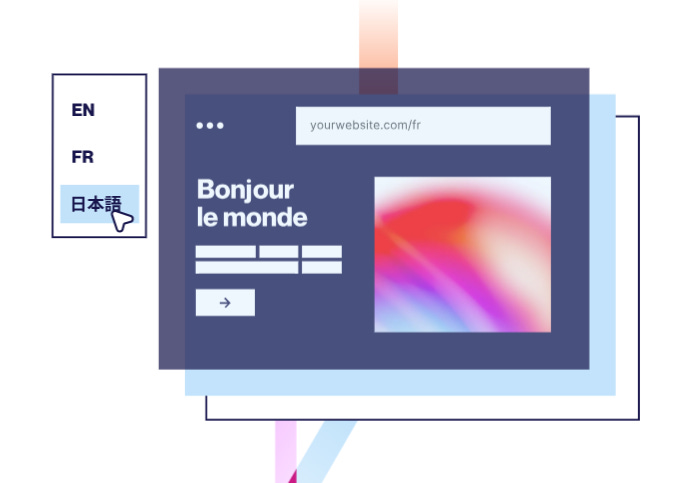
Today we’d like to talk about Weglot. It’s a tool that makes any website multilingual, with a simple integration step.
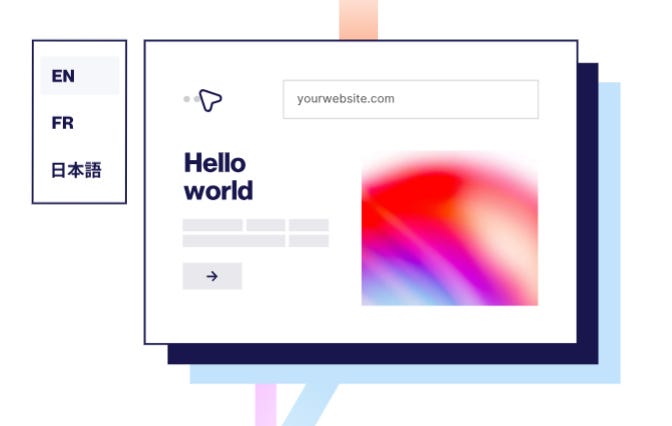
At the No-Code Summit in October, I had the opportunity to hear directly from Rémy Berda, co-founder of Weglot, about the company's inspiring origins. He, along with his co-founder Augustin, launched Weglot in 2015 and remarkably reached €25M in annual recurring revenue by 2022.
Rémy describes his early journey with three pivotal questions:
1. How did he find the idea?
2. How did he get from idea to revenue?
3. How did he manage to secure funding?
To understand Weglot's beginnings, we need to rewind to a period before it was founded in 2015. The origin of Weglot actually lies in a previous, unsuccessful venture – a marketplace named Spothers, similar to Leboncoin but integrated with a Google Map interface. Despite dedicating nine months to perfecting every pixel in the platform, they faced insufficient traffic post-launch. Consequently, after a year of time and financial investment, they decided to discontinue the project.
Phase 1: The Idea and early MVP launch
Post-Spothers, Rémy faced a critical question: what next? This time, he wanted to invest more time in brainstorming ideas that leveraged his strengths and interests and it was during this phase he pinpointed website translation as a significant challenge from his previous venture. To address this, he developed a JavaScript code to translate websites, initially testing it on the abandoned Spothers site, and got it to work within 10 days. So now the next step was to test it out if people would use this.
Lacking a wide network, Rémy reached out to 50-100 startup founders via Facebook messages, while Augustin went door-to-door at the Numa coworking space, inviting people to test their code snippet. And this is how they found their first 10 users!
Engaging closely with these early adopters, Rémy balanced his time between programming and user interaction. He not only addressed bugs in real-time but also created a WordPress plugin to ease the integration for users reluctant to directly add the code snippet.
A month later, they decided to test the waters for paid subscriptions by personally informing their users that the trial period was ending. And on November 15th, 2015, they received their first payment of €15, a moment Rémy describes as his first victory since starting this journey. This marked that they were moving in the right direction.
Key learnings by Rémy during this period
Present your product as soon as possible to users.
Make them feel you’re their private developer and spend time on user feedback.
Focus on getting users, not customers.
Phase 2: Becoming a profitable business
Over the next year, Weglot experienced significant growth, reaching a €5000 MRR with 500 users. Motivated to expand further, they sought funding and approached numerous investors. Despite coming close, they faced rejections, likely due to misunderstandings about their service being perceived as a translation agency rather than an API.
So they decided to stop pursuing funding and instead concentrated on enhancing their product, which led to reaching €10,000 in monthly revenue by November 2015. This achievement set the stage for a more successful round of fundraising, where they managed to secure €450,000 with a company valuation of €1.8M (25%)
Key learnings by Rémy during this period
Delay fundraising until it's necessary; you might not need external funds.
Let the numbers do the heavy lifting.
And don’t celebrate before the deal is closed.
The subsequent journey is well-documented, with Weglot now boasting an impressive €25M in annual revenue and continuing to grow. While their blog posts offer insights into various stages of their development, I was particularly drawn to the early chapters of their story, ones not extensively covered in their articles. These initial years highlight Rémy's exceptional perseverance, which was key to their early success.
🗞️No-Code Tidbits
Webflow recently released its localization feature. (Source)
The Israeli startup Mine, known for its no-code approach to vetting data privacy, has secured $30 million in funding. (Source)
🤝 Connect with us:
As we navigate through this journey, we invite you to become a part of our community. 🚀